
Trends
Why Minimalism Got Warmer
A look at why homeowners keep gravitating toward soft, tactile minimalism over stark, cold interiors.
Daniel Wong · · 5 min read
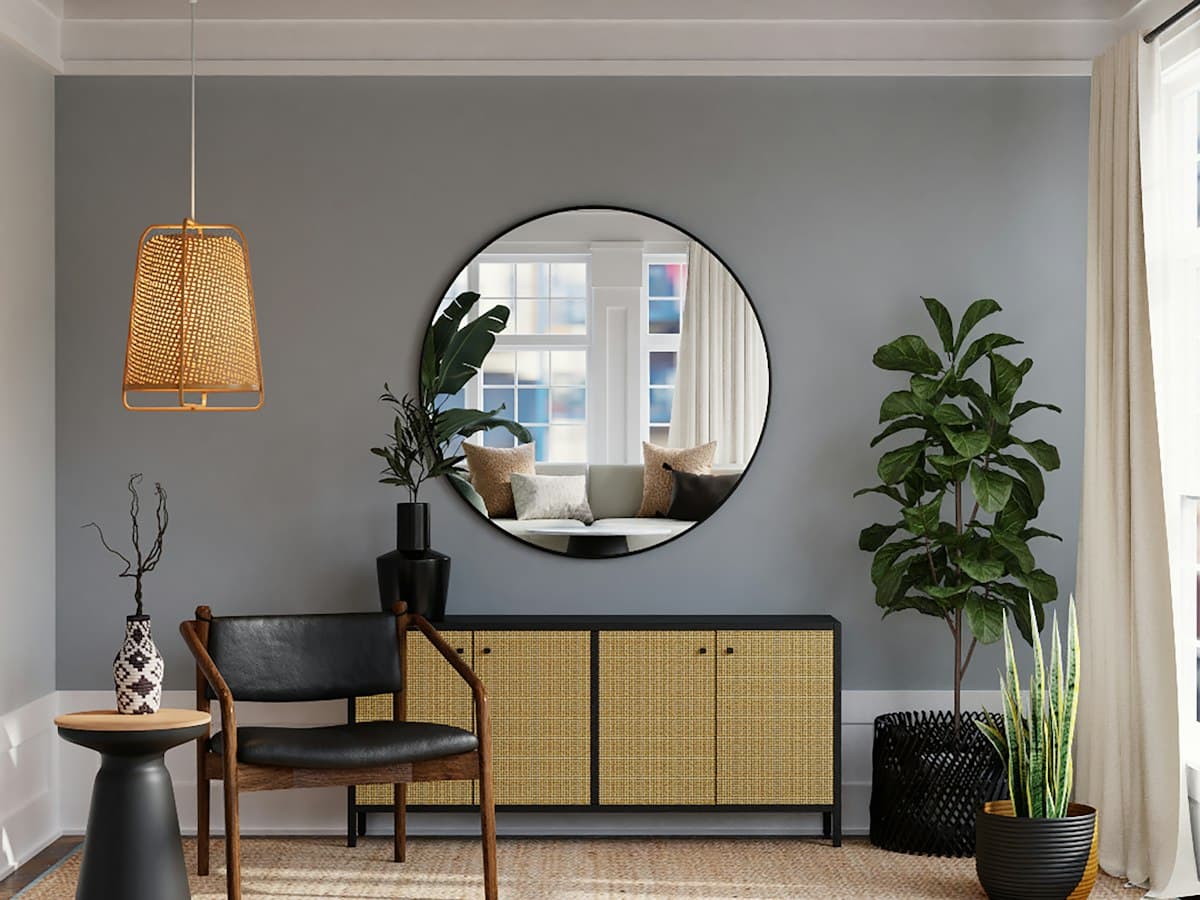
Ask five Singapore interior designers what their clients are asking for right now and at least three will say some version of the same thing: warm, but simple. Not the stark white boxes that defined minimalism a decade ago, and not the maximalist, pattern-heavy interiors that briefly followed. Something in between, built from natural materials and a tighter color palette, but without feeling austere.
- Timber, linen and boucle are replacing white laminate and leather.
- Smaller apartments make stark white finishes feel clinical rather than sharp.
- Warm minimalism still edits a room down; it just no longer insists everything be white.
What is actually changing
Daniel Wong has been tracking the trend across a run of recent commissions and says it tends to show up in three consistent ways: timber replacing white laminate on kitchen cabinetry, linen and boucle replacing leather on upholstery, and lighting shifting from a single bright ceiling fixture to several smaller, warmer sources placed at different heights around a room.
Why smaller homes are driving the shift
Part of the shift is practical. Singapore apartments have gotten smaller on average over the past ten years, and a stark white finish that looks sharp in a large space can feel clinical in a compact one. Warmer materials and softer lighting do more to make a small room feel occupied rather than empty.
But designers also point to something less measurable: after a few years of people spending far more time at home than they used to, there is less appetite for a living room that looks like a showroom. Warm minimalism, at its best, still edits things down. It just no longer insists that everything left behind has to be white.