
Design Ideas
Fewer Lights, Better Rooms
Layered lighting design is quietly becoming the most important line item in a renovation budget.
Daniel Wong · · 5 min read
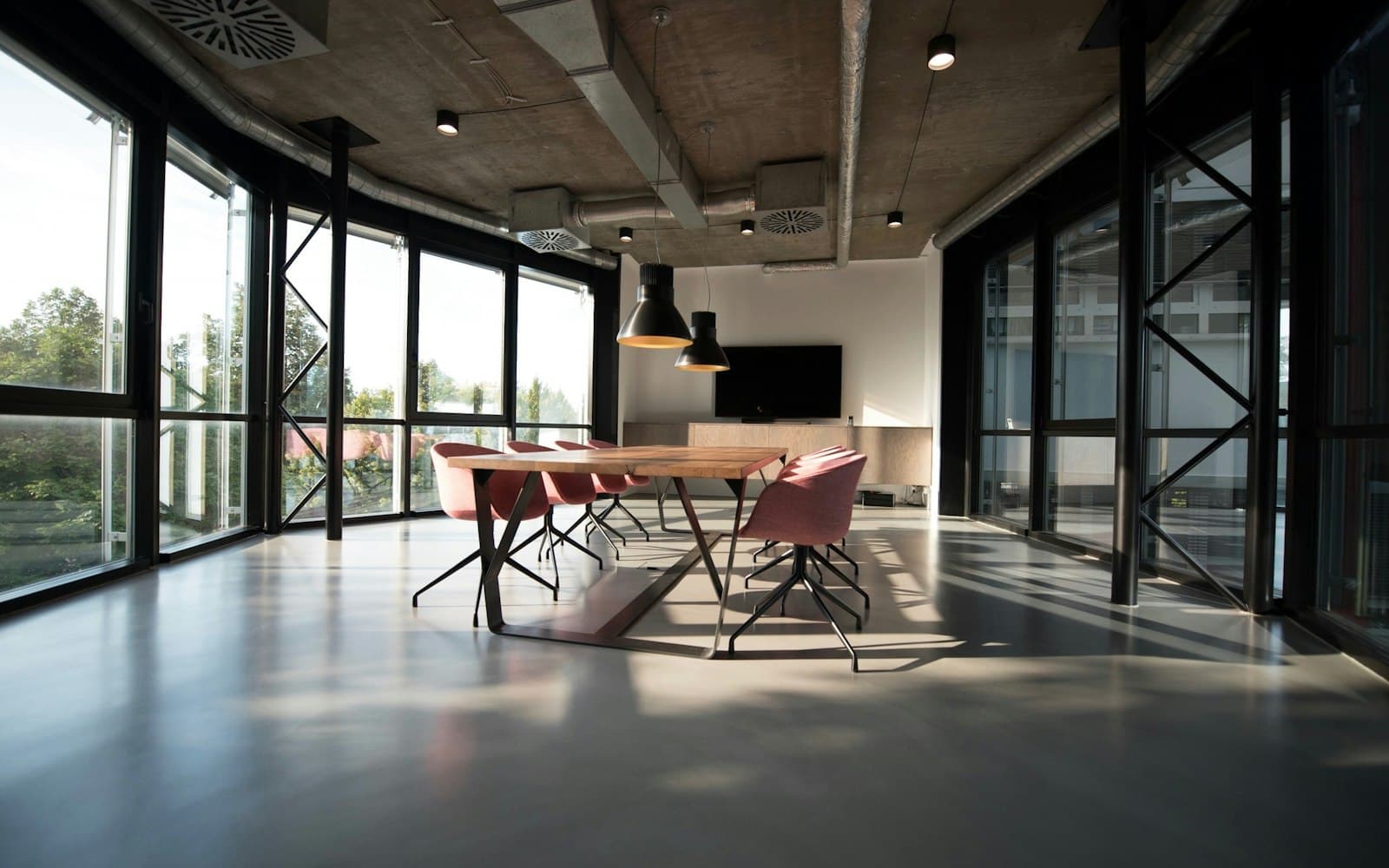
Lighting is usually one of the last decisions made on a renovation and one of the first things a homeowner regrets rushing. Several designers now say it deserves a bigger line item in the budget and a much earlier place in the planning process, not a single flush-mounted ceiling light chosen the week before handover.
- Layered lighting uses several smaller fixtures instead of one central source.
- A considered lighting plan can cost more than downlights but shapes a room more.
- Lighting is one of the few renovation elements a homeowner can upgrade later without touching a wall.
What layered lighting actually looks like
The shift shows up most clearly in layered lighting: several smaller fixtures at different heights, rather than one central source doing all the work. A pendant over a dining table, a floor lamp in a reading corner, and warm strip lighting tucked under a kitchen cabinet together do more to shape how a room feels through the day than a single bright downlight ever could, even though the total wattage may be lower.
The cost argument
Cost is the obvious objection, and designers do not pretend otherwise. A handful of well-made fixtures from a considered lighting plan can cost more than a ceiling full of generic downlights. But several point out that lighting is one of the few elements in a renovation that a homeowner interacts with daily and can upgrade later without touching a wall, which makes it a better place to spend than, say, an extra cabinet finish nobody will notice after the first month.