
Design Ideas
Small Homes, Big Ideas
From built-in joinery to single-material palettes, the strategies making compact homes feel larger.
Daniel Wong · · 5 min read
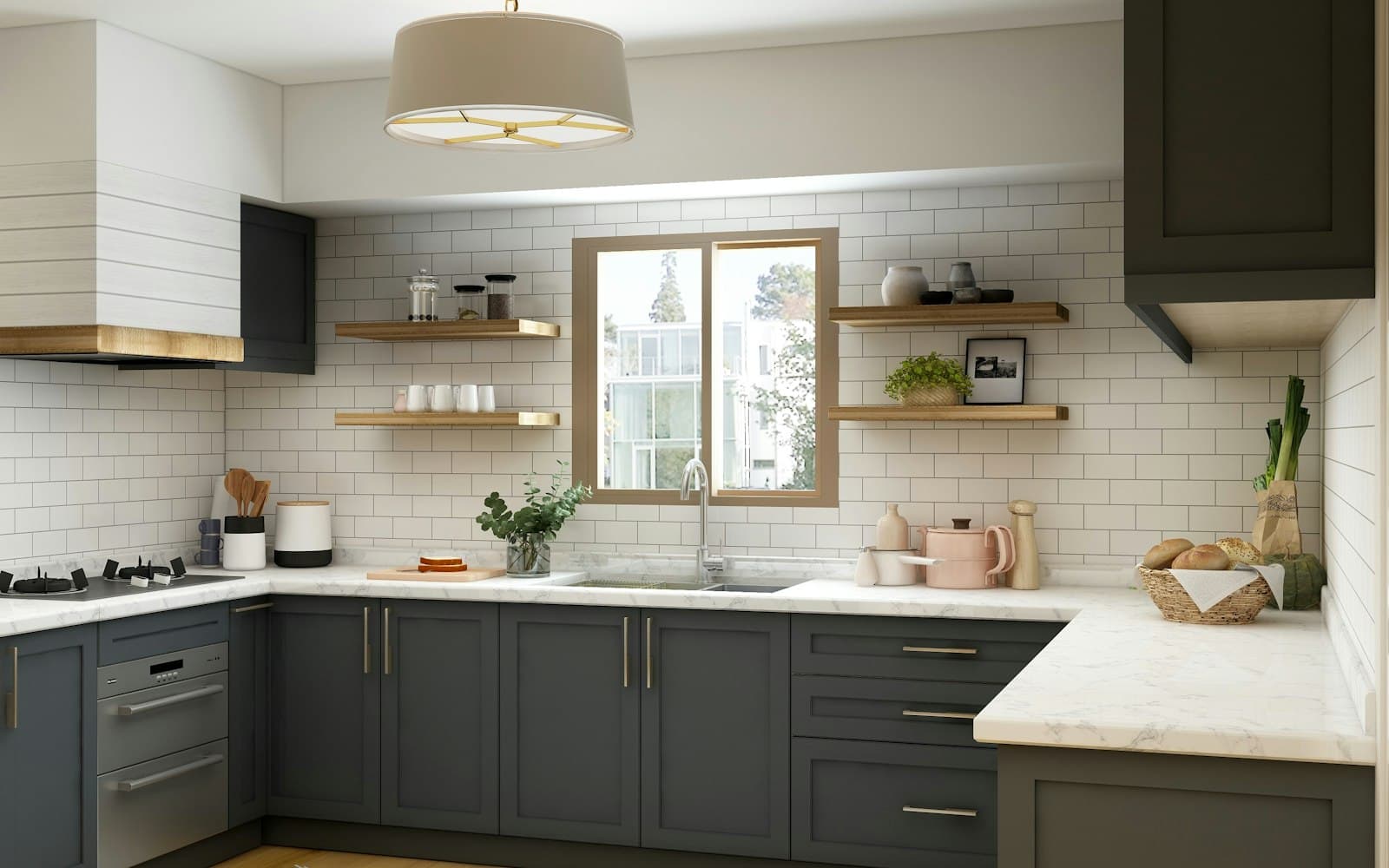
The average new HDB flat in Singapore is smaller than it was twenty years ago, and designers working on compact apartments have had to get more inventive about where storage and function actually live. The strategies that keep coming up: built-in joinery instead of freestanding furniture, a single material palette that keeps a small room from feeling visually chopped up, and a willingness to give up a dedicated function, like a full guest bedroom, in exchange for flexibility.
- Built-in joinery consolidates several functions into one piece of furniture.
- A single material palette makes a small room read as calmer, not just bigger.
- Giving up a dedicated function, like a guest room, can buy more usable space.
Consolidating storage into one piece
Clara Ng and Marcus Tan of Atelier North worked through most of these questions on a recent 3-room HDB flat in Toa Payoh, designed for a single occupant who wanted room to entertain without giving up storage. Their solution ran a single run of timber joinery the length of the main living wall, absorbing everything from bookshelves to a fold-down guest bed into one continuous piece, rather than scattering separate units around the room.
Marcus Tan says the instinct to add more storage units is often the wrong one in a small space. "Every extra piece of furniture is another edge, another shadow line, another thing the eye has to process. If you can consolidate three functions into one built piece, the room reads as calmer even though nothing has actually gotten smaller."
One material, read as one surface
A similar logic shaped Atelier North's Queenstown Micro-Apartment, a 400-square-foot unit where a single oak veneer runs across cabinetry, wall panelling and a fold-out desk. The apartment has not grown. But the designers say the consistent material reads as one continuous surface rather than a room full of separate objects, which is most of what makes it feel larger than its footprint.