
Interviews
Clara Ng on Designing for 7am
On restraint, material honesty, and designing homes that feel finished the day they are occupied.
Rachel Koh · · 5 min read
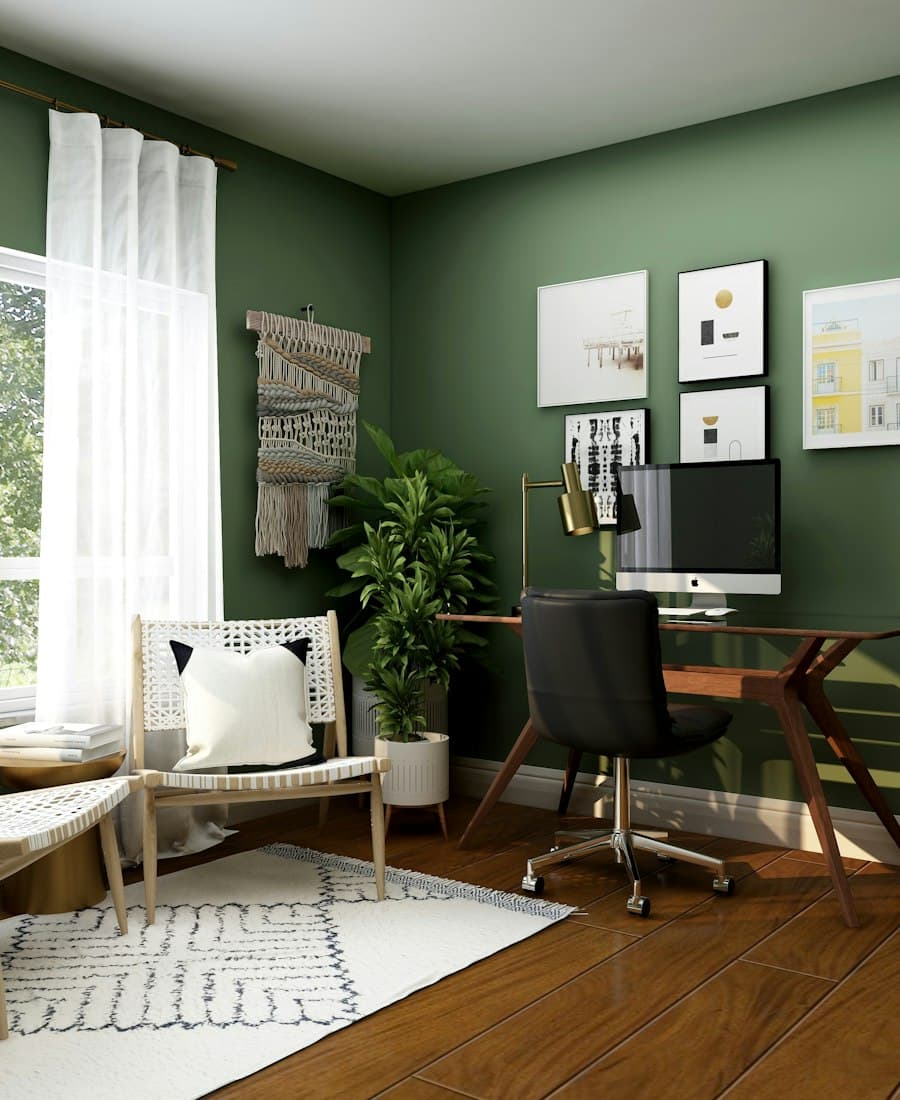
Clara Ng founded Atelier North in 2014 after several years working at a larger commercial firm, a move she describes as driven less by ambition than by frustration. "I kept being asked to make spaces look expensive rather than feel considered, and those aren't always the same instruction," she says. "I wanted to build a practice where they were."
- Atelier North is known for restraint and joinery that serves more than one purpose.
- Ng designs for how a space feels on an ordinary morning, not for a photoshoot.
- Her advice to younger designers: don't take a client's reference photo literally.
Designing for an ordinary Tuesday
A decade later, Atelier North has become known for a particular kind of restraint: pared-back material palettes, joinery that does double duty, and a resistance to trend-driven statement pieces. Ng says the studio's guiding question on every project is simple to ask and hard to answer. "We try to design for how a space feels at 7am on an ordinary Tuesday, not how it looks the day the photographer comes. Those two things pull in different directions more often than people expect."
She points to the studio's recent Tiong Bahru apartment project as an example of a job that would have photographed just as well with far less thought put into it, but would not have functioned nearly as well day to day. "The version of that apartment built purely for a magazine spread wastes half the light the real design captures, because it doesn't care what happens outside the two hours a shoot happens in."
Advice for a younger designer
Asked what she would tell a younger designer starting out, Ng pauses before answering. "Get comfortable saying no to a client's reference photo. Most of the time they're not actually asking for that exact room. They're asking for a feeling, and your job is figuring out what that feeling actually is, which is a completely different design problem."